
From 2027, SFIDA Setagaya FC will become FC Tokyo Sfida.
On paper, it is an ambitious move. One that promises resources, infrastructure, professionalisation and a clearer pathway towards the WE League. FC Tokyo gain an established women’s football operation. SFIDA gain access to the financial and organisational strength of one of Japan’s largest football institutions.
At this moment, one can only assume that both parties genuinely believe they are doing the right thing.
The difficulty is that football supporters have heard that before.
Because while mergers are often presented through spreadsheets and strategy documents, supporters tend to experience them differently. They experience them through colours. Through stadiums. Through club badges. Through memories.
And that is where this story becomes complicated.
Why SFIDA Might Need This
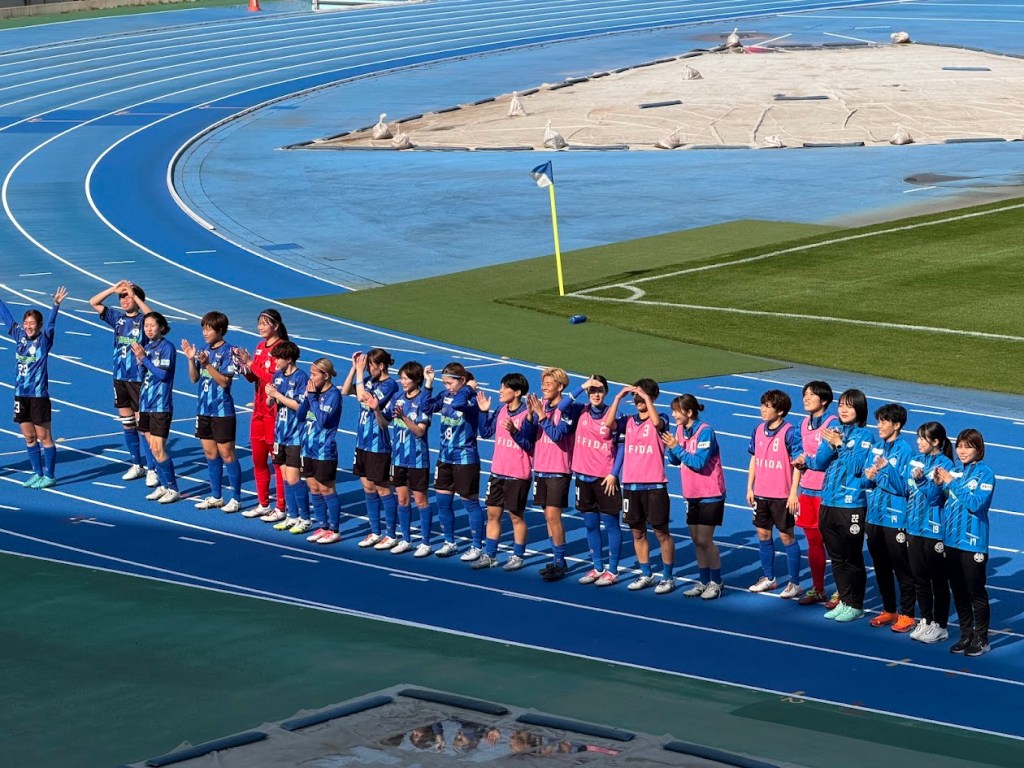
The easiest argument in favour of the merger is also the hardest to dispute.
Money matters.
Not in the simplistic sense that money automatically creates success. Football is littered with examples proving otherwise. But resources increase possibilities.
Better facilities.
Better training environments.
More medical support.
More commercial opportunities.
Greater recruitment budgets.
Improved player welfare.
Everything becomes easier when a club possesses the infrastructure to support ambition.
SFIDA have spent years punching above their weight. They have built one of the most respected independent women’s football clubs in Japan. They have done so without the financial muscle enjoyed by many clubs attached to major J.League organisations.
The reality of the modern WE League makes that increasingly difficult.
Entry into Japan’s professional women’s division is not simply a matter of winning matches. Clubs must satisfy strict licensing requirements.
Professional contracts for at least fifteen players.
Specific staffing requirements.
Female representation across leadership and coaching structures.
Stadium facilities capable of hosting professional football.
These are not minor hurdles.
They are structural barriers.
One neutral reaction online captured the situation rather bluntly:
“If they seriously want to enter the WE League, they need female executives and coaches, a 5,000-seat stadium and at least 15 professional contracts.”
That assessment may lack romance, but it is difficult to argue with.
SFIDA has repeatedly faced challenges related to stadium requirements and financial scale. FC Tokyo possess many of the resources needed to address those problems.
There is a case to be made that this merger simply accelerates something that was always becoming necessary.
The Opportunity Nobody Can Ignore
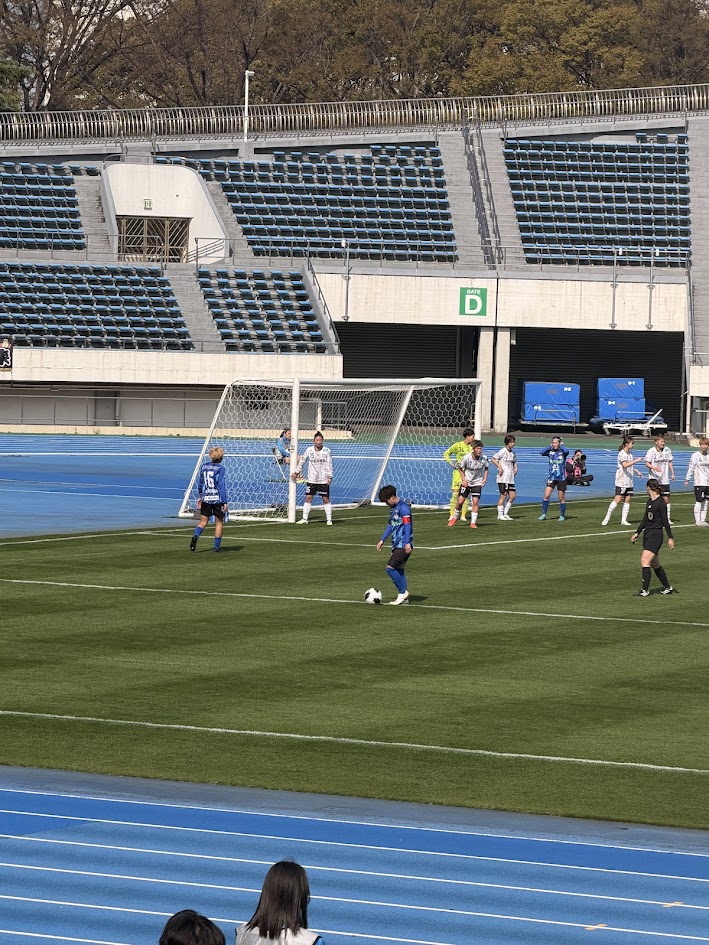
The WE League remains the obvious prize.
Whatever concerns supporters have, few would argue that remaining permanently outside Japan’s professional pyramid is a desirable outcome.
Women’s football in Japan has changed.
Professionalisation is no longer theoretical.
It is happening.
The clubs that adapt will move forward.
Those who cannot may find themselves trapped.
For SFIDA players, the potential benefits are significant.
Perhaps the most important is retention.
Independent women’s clubs frequently lose talented players not because they lack ambition, but because life eventually intervenes.
Players reach their mid-twenties.
Bills need paying.
Career decisions become unavoidable.
Larger organisations create opportunities to keep players who might otherwise move elsewhere.
Whether that means remaining in Tokyo, avoiding retirement, or resisting offers from professional clubs, stronger backing can fundamentally alter a club’s future.
That matters.
The FC Tokyo Effect
Another obvious advantage is visibility.
FC Tokyo are one of the biggest football brands in the country.
Their supporter base dwarfs anything currently available to SFIDA.
More supporters potentially means:
- Higher attendances
- Better sponsorship opportunities
- Greater media coverage
- Increased merchandise sales
- More commercial stability
One positive reaction online was remarkably simple:
“Looks like they’ll gain more supporters.”
Perhaps that is the entire argument distilled into one sentence.
Football clubs require people.
People create atmosphere.
Atmosphere creates momentum.
Momentum creates opportunity.
The question is whether those new supporters arrive to support SFIDA, or merely consume it.
That distinction may become crucial.
The Fear That Won’t Go Away
The most common criticism has very little to do with football.
It is about identity.
One supporter wrote:
“I supported them because they were a community club.”
Another simply stated:
“I supported them, but this is impossible for me.”
A Setagaya resident responded:
“I’m disappointed.”
These are not complaints about league position.
They are not arguments about tactics.
They are emotional reactions to perceived loss.
And it is easy to understand why.
Officially this is described as a merger.
Unofficially, many supporters view it as something closer to an acquisition.
After all, the future name is not SFIDA FC Tokyo.
It is FC Tokyo Sfida.
The hierarchy is visible immediately.
FC Tokyo first.
SFIDA second.
That may appear superficial.
Supporters rarely see it that way.
The Flügels Shadow
Perhaps the most striking comparison raised by supporters involves one of Japanese football’s deepest wounds.
The merger between Yokohama Flügels and Yokohama Marinos.
Technically, the merger created Yokohama F. Marinos.
Emotionally, many supporters felt something very different had happened.
Marinos survived.
Flügels disappeared.
There is, of course, the matter that ANA pulled their funding from the club too, which made it hard for Flügels to realistically survive. That didn’t however mean that their club should have been reduced to a footnote.
The backlash proved so severe that supporters eventually founded Yokohama FC.
The lesson remains relevant today.
You can preserve assets while destroying identity.
The similarities with SFIDA are not exact.
Flügels vanished completely.
SFIDA have not.
But the fear feels familiar.
Supporters worry that one day they will wake up and realise that the badge has changed.
The colours have changed.
The culture has changed.
And the only thing left is the name.
The Colours, The Crest and The Questions
Nobody knows exactly what FC Tokyo Sfida will look like.
That uncertainty creates anxiety.
Will the club continue wearing blue?
Will red become dominant?
Will the phoenix-inspired crest survive?
Will Setagaya remain visible?
Will home matches continue to feel like SFIDA matches?
These questions may sound trivial to outsiders.
Football history suggests otherwise.
Austria Salzburg supporters once asked similar questions when Red Bull arrived.
Initially, many changes seemed manageable.
Then the colours disappeared.
Then the branding changed.
Then supporters felt as though history itself had been replaced.
The football project succeeded spectacularly.
The cultural project remains deeply contested.
That is why some SFIDA supporters remain nervous.
Not because changes have happened.
Because they know they can.
Setagaya Matters
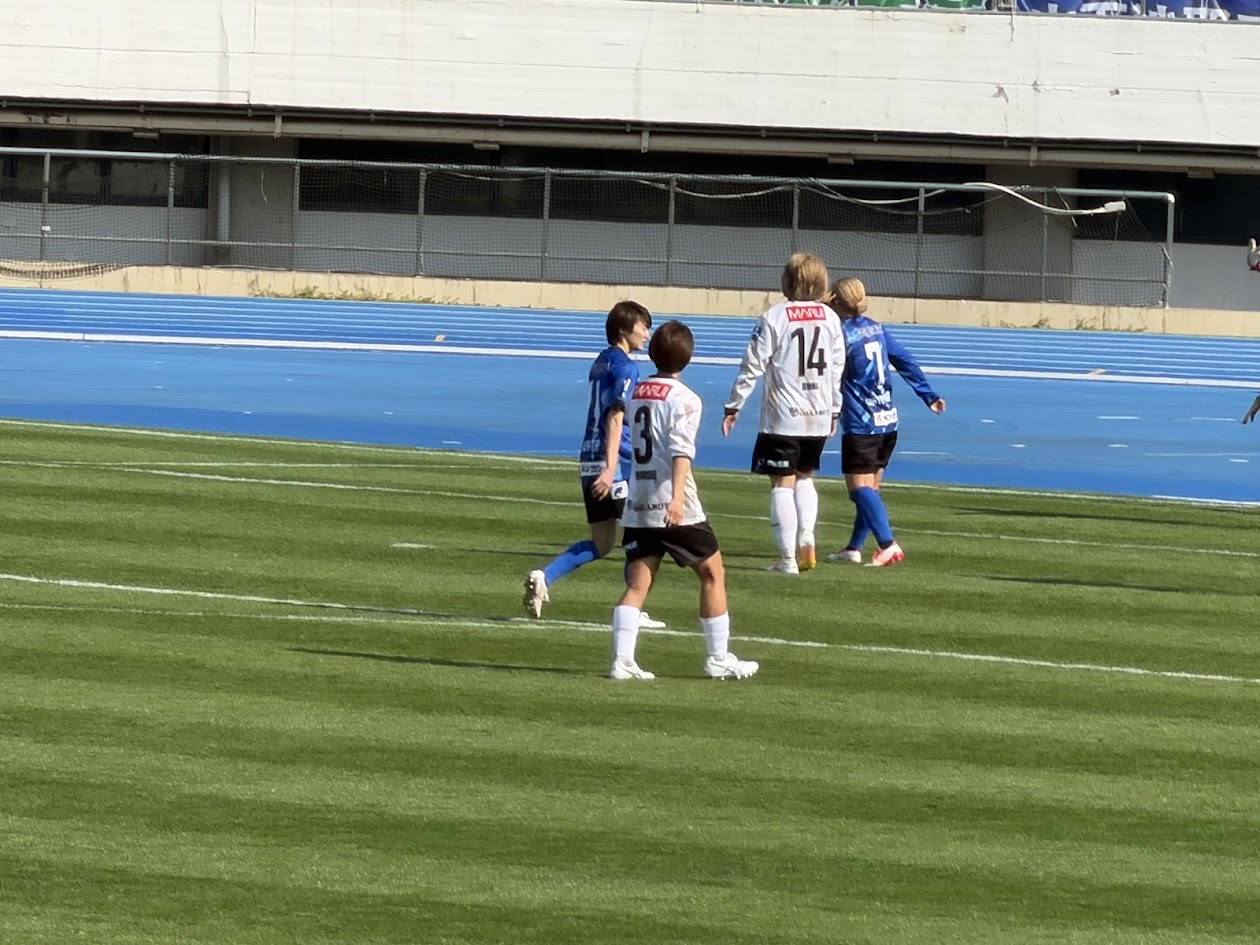
Perhaps the most difficult issue involves geography.
SFIDA Setagaya are not merely a football team.
They represent Setagaya.
One of Tokyo’s twenty-three wards.
That local identity matters.
It is woven into the club’s history since 2001.
FC Tokyo Sfida broadens that identity.
Potentially strengthens it.
Potentially weakens it too.
Tokyo is enormous.
Setagaya is specific.
There is a difference between representing a city and representing a neighbourhood.
Some supporters fear that years of local connection could gradually dissolve into a broader metropolitan identity.
The club becomes Tokyo.
Setagaya becomes a footnote.
That concern should not be dismissed lightly.
The Ground Beneath Their Feet
Football identity is often tied to place.
Which is why stadium concerns keep resurfacing.
Komazawa carries history.
Familiarity.
Routine.
Memory.
The idea of abandoning that environment for training grounds associated with FC Tokyo feels uncomfortable to some supporters.
One supporter worried openly about becoming a kyakuyose panda.
A “visitor-attracting panda.”
A sideshow.
Something wheeled out to demonstrate commitment to women’s football rather than valued in its own right.
The phrase is humorous.
The concern behind it is serious.
The Danger Nobody Talks About
There is another risk.
One that rarely appears in official announcements.
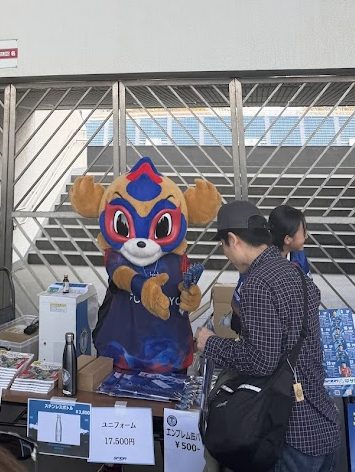
Volunteer culture.
Independent clubs often function because extraordinary people contribute extraordinary effort.
The volunteer selling food. Especially the one who was shipping speciality dessert from Miyagi to help the relief effort there.
The local sponsor.
The supporter helping with logistics.
The player chatting with fans after matches.
The community spirit that develops because everybody feels ownership.
Corporate structures can improve many things.
They can also dilute that feeling.
The homemade cake disappears.
The local stall disappears.
The personal relationships weaken.
Everything becomes more professional.
Everything becomes slightly less human.
Not always.
But often enough that it deserves consideration.
A Better Comparison?
The Flügels comparison dominates discussion.
It may not be the most accurate.
The Omiya Ardija and Red Bull example feels closer.
Red Bull arrived.
Yet Omiya remained Omiya.
The squirrel remained.
The history remained.
Supporters did not celebrate.
They watched.
Carefully.
That seems remarkably similar to SFIDA today.
Nobody truly knows what FC Tokyo Sfida will become.
Supporters are neither fully convinced nor fully hostile.
They are waiting.
Watching.
Taking notes.
The Ossett United example from England may offer the healthiest model.
Two clubs combining resources while respecting each other’s contributions.
Not one side rescuing another.
Not one side absorbing another.
A partnership.
That is the keyword.
Partnership.
Because FC Tokyo’s resources matter.
But resources alone do not create a women’s football club.
SFIDA already possess:
- A squad
- Coaches
- Supporters
- Community goodwill
- Women’s football expertise
- An established identity
Those assets have value, too.
The ideal future is not FC Tokyo saving SFIDA.
It is FC Tokyo accelerating SFIDA.
Those are very different concepts.
So What Happens Next?
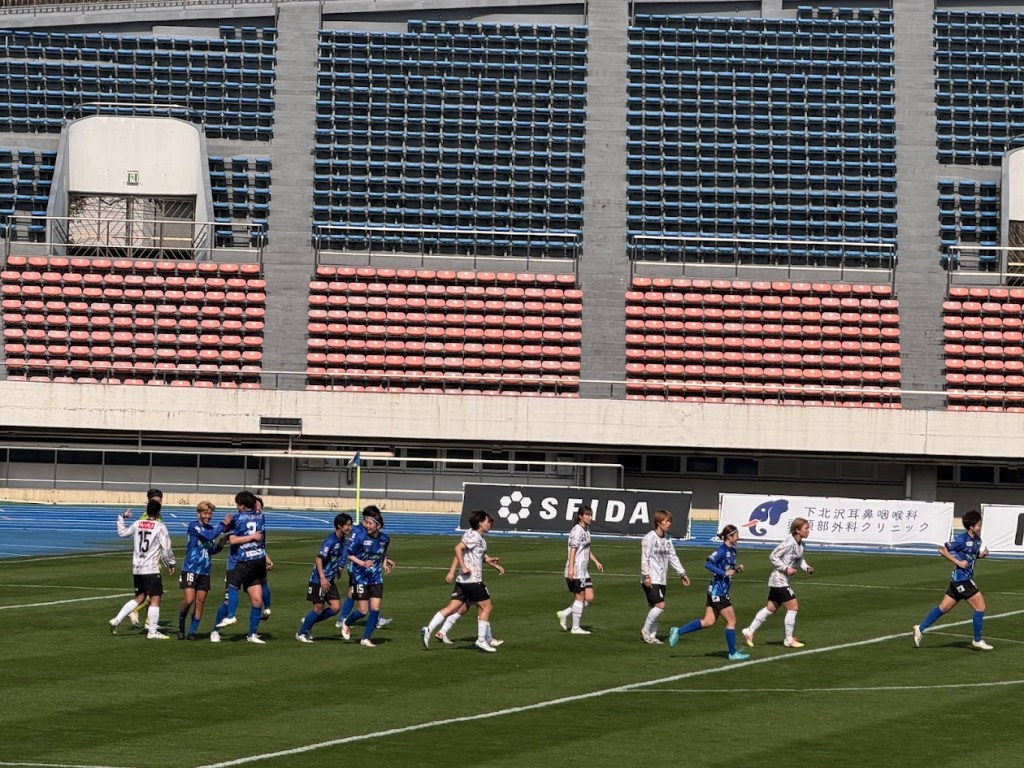
The honest answer is nobody knows.
Perhaps in ten years, this conversation will feel outdated.
Perhaps FC Tokyo Sfida are thriving in the WE League.
Perhaps attendance has doubled.
Perhaps players are turning professional.
Perhaps Setagaya remains central to everything.
If that happens, resistance may soften in the same way it eventually did at clubs like Inverness Caledonian Thistle.
Supporters may conclude they sacrificed something but gained more.
But there is another possibility.
If identity gradually fades.
If Setagaya becomes irrelevant.
If the badge changes.
If the club becomes merely FC Tokyo’s women’s department.
If supporters feel like customers rather than participants.
Then critics will point back to today and argue the warnings were obvious.
That is why this merger cannot simply be judged by league tables or balance sheets.
The football arguments are compelling.
The commercial arguments are compelling.
The WE League dream is compelling.
None of those are the real question.
The real question is whether FC Tokyo understand what they are acquiring.
Because SFIDA are not a vacant licence.
They are not a women’s football asset.
They are not a shortcut.
They are a football club.
And if FC Tokyo genuinely understand that, this merger could become one of the most important moments in the history of women’s football in Tokyo.
If they do not, then supporters are right to be nervous.
The future of FC Tokyo Sfida may ultimately depend on something far less tangible than money, facilities or league licences.
It may depend on whether people can still recognise SFIDA when all of this is over.



2 responses to “FC Tokyo Sfida: Growth, Identity and the Question Nobody Can Yet Answer”
[…] Oh, and thanks to everyone who took the time to read the FC Tokyo merger article. […]
LikeLike
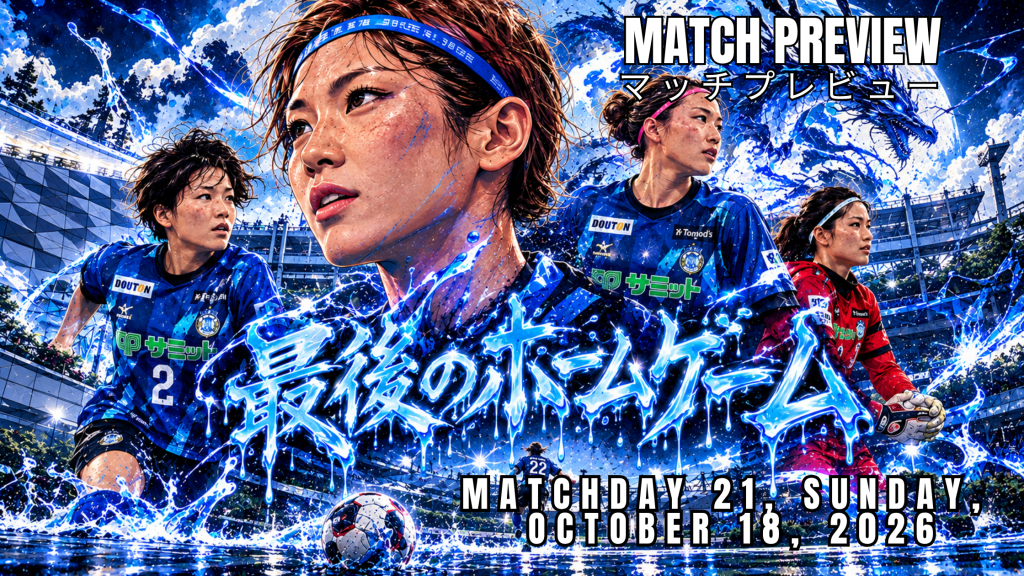
[…] But it will be the final league match here before the club enters its next life. […]
LikeLike