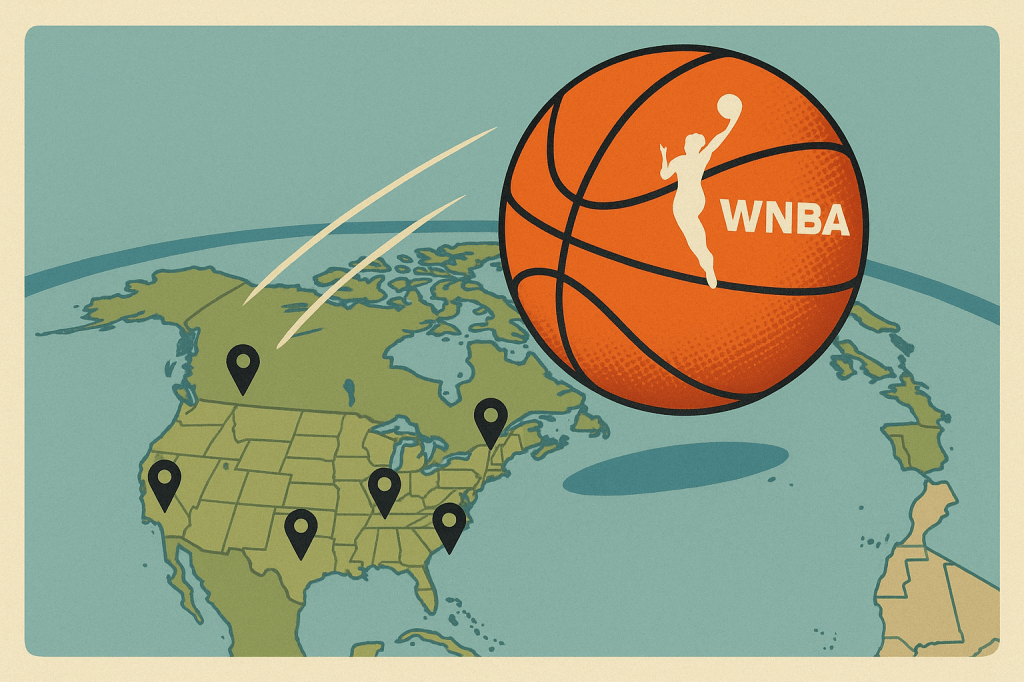
Expansion, infrastructure, and how the league’s future map may take shape
The Women’s National Basketball Association is currently navigating one of the most significant growth periods in its history. Attendance figures are rising, expansion fees have reached record levels, and commercial confidence has followed. As Rhonda Smith has noted in discussions around the league’s long-term sustainability, expansion is no longer a speculative exercise but part of a broader strategic framework.
This inevitably raises a question that still circulates in public discourse: is the WNBA profitable? While profitability varies by market and ownership structure, the willingness of investors to commit $250 million entry fees suggests a strong belief in the league’s future value.
With several new franchises already confirmed through to 2030, attention naturally turns to where the league could look next. Below are nine potential franchises that align with existing basketball infrastructure, cultural fit, and the WNBA’s evolving identity.
1. Houston Comets
Houston occupies a unique place in WNBA history. As home to one of the league’s original franchises, the Comets’ four consecutive championships between 1997 and 2000 continue to shape perceptions of early WNBA dominance.
Importantly, this is not simply a historical argument. Houston remains one of the largest basketball markets in the United States, with proven arena infrastructure and established professional sports ownership. The city’s connection to the WNBA is already embedded in fan memory, reducing the need to build engagement from scratch.
From a league perspective, a return to Houston would also reconnect the WNBA with its foundational narrative while operating firmly within a modern commercial framework.
2. Miami Waves
Miami represents a different type of expansion logic. Rather than historical continuity, its appeal lies in visibility, lifestyle, and reach beyond traditional basketball audiences.
In player surveys, Miami consistently ranks as a preferred expansion destination, a factor that increasingly matters in a league built around star visibility and player movement. The city has demonstrated success in integrating sport with cultural and media ecosystems, particularly through social-first engagement and global branding.
Stephanie White has spoken previously about the importance of markets that actively elevate women’s basketball rather than treating it as secondary. Miami’s media profile and international reach could help broaden the WNBA’s audience in ways that go beyond attendance alone.
3. Nashville Summit

Nashville sits within a state where women’s basketball carries deep cultural weight, largely shaped by decades of collegiate success and the enduring legacy of Pat Summitt.
What distinguishes Nashville is not market size alone but emotional alignment. College basketball already holds a prominent place in the city’s sporting calendar, and a professional women’s team would naturally extend that existing relationship rather than compete with it.
The Summit identity reflects this continuity. It is restrained, respectful, and rooted in belief rather than spectacle, qualities that tend to support long-term fan engagement.
4. Charlotte Crown
North Carolina’s contribution to basketball development is extensive, particularly at youth and collegiate levels. Charlotte sits at the centre of this ecosystem, surrounded by elite programs and a fan base accustomed to high-level basketball discourse.
A WNBA franchise in Charlotte would benefit from this embedded knowledge. The Crown branding draws on regional identity without directly mirroring collegiate institutions, allowing the franchise to establish its own place within the state’s basketball hierarchy.
Rather than immediate commercial explosion, Charlotte offers the prospect of steady, informed growth grounded in basketball culture.
5. Denver Elevation

Denver’s suitability stems from demonstrated basketball stability. The city has shown that sustained success can translate into deep local engagement, particularly when organisational patience is matched with competitive credibility.
From a league perspective, Denver also offers geographic balance and access to an established basketball audience. The Elevation identity aligns with both location and performance culture, subtly reinforcing themes of preparation and resilience.
For a league increasingly attentive to development pathways and fan literacy, Denver represents a measured, low-risk expansion option.
6. Mexico City Aztecas
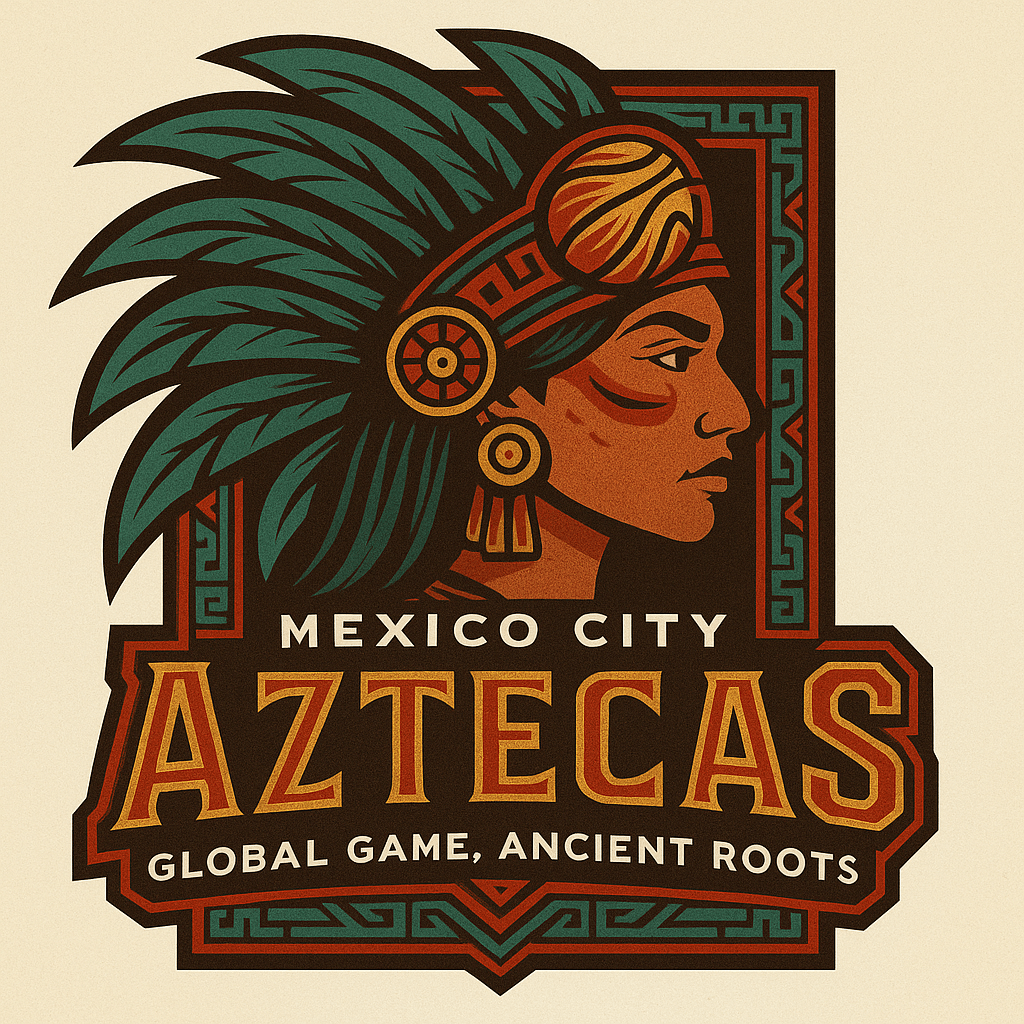
Mexico City would mark a major step in the WNBA’s international strategy. The presence of the Capitanes in the NBA G League has already demonstrated logistical viability, while domestic women’s leagues point to an existing participation base.
Crucially, basketball in Mexico is not emerging but established. Participation numbers are significant, and a professional women’s franchise could act as both a domestic focal point and a bridge to wider Latin American audiences.
The Aztecas identity roots the team in cultural continuity, reinforcing the idea that global expansion need not dilute local meaning.
7. Vancouver Orcas
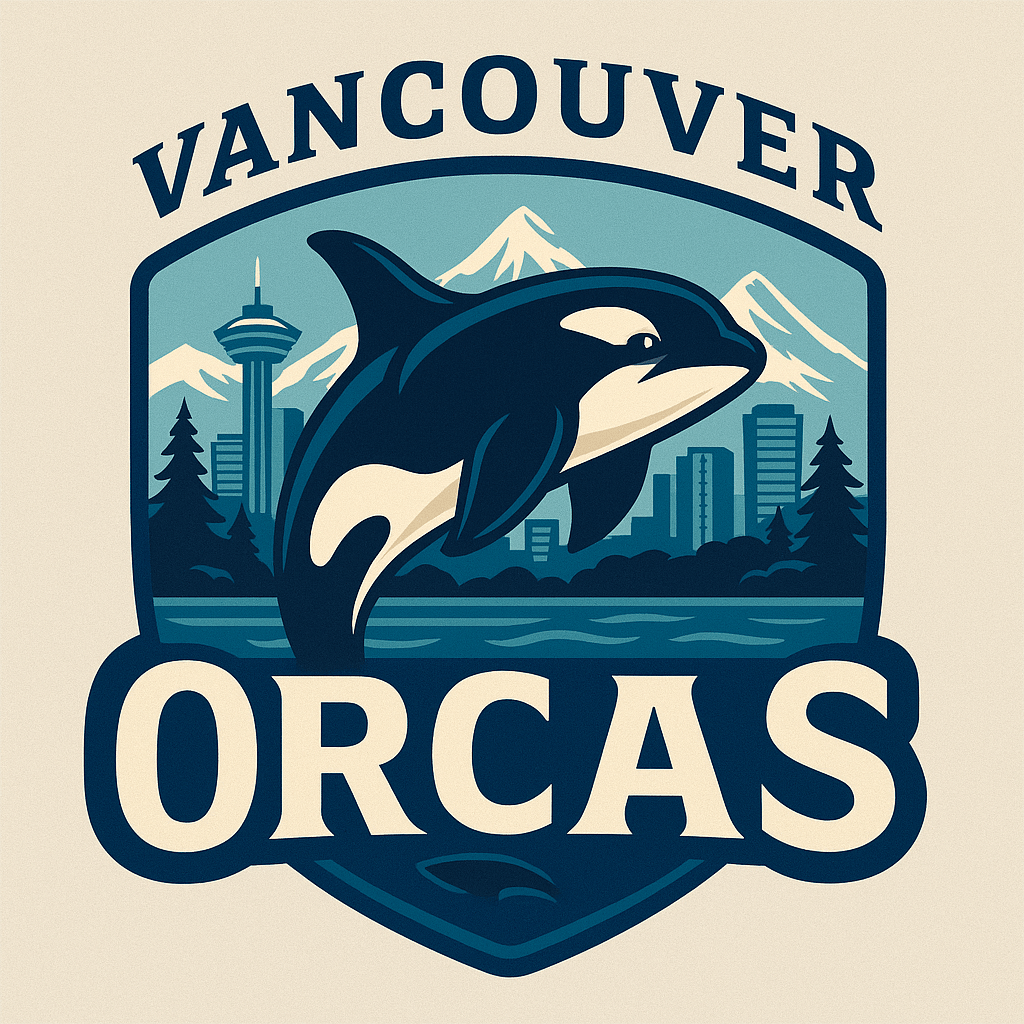
Basketball growth in Canada has accelerated over the past decade, but it has not been confined to one region. Vancouver offers a west-coast counterpart to Toronto and an opportunity to broaden the WNBA’s Canadian footprint.
The city’s experience with professional sport, combined with youth-driven basketball culture, provides a stable platform for growth. The Orcas branding reflects regional geography and contemporary design sensibilities, elements that increasingly influence merchandise success.
Given current trends in WNBA merchandise, Vancouver’s visual and cultural identity would likely translate well beyond the local market.
8. St. Louis Arch

St. Louis rarely features in national basketball conversations, yet its grassroots infrastructure tells a different story. Strong high school programs and community-level investment in women’s sport provide a solid foundation.
Rather than glamour, the appeal here lies in stability. The Arch identity positions the franchise as civic rather than corporate, potentially fostering strong local ownership and loyalty.
For the league, this type of market can quietly strengthen scheduling balance and regional presence.
9. San Diego Sirens
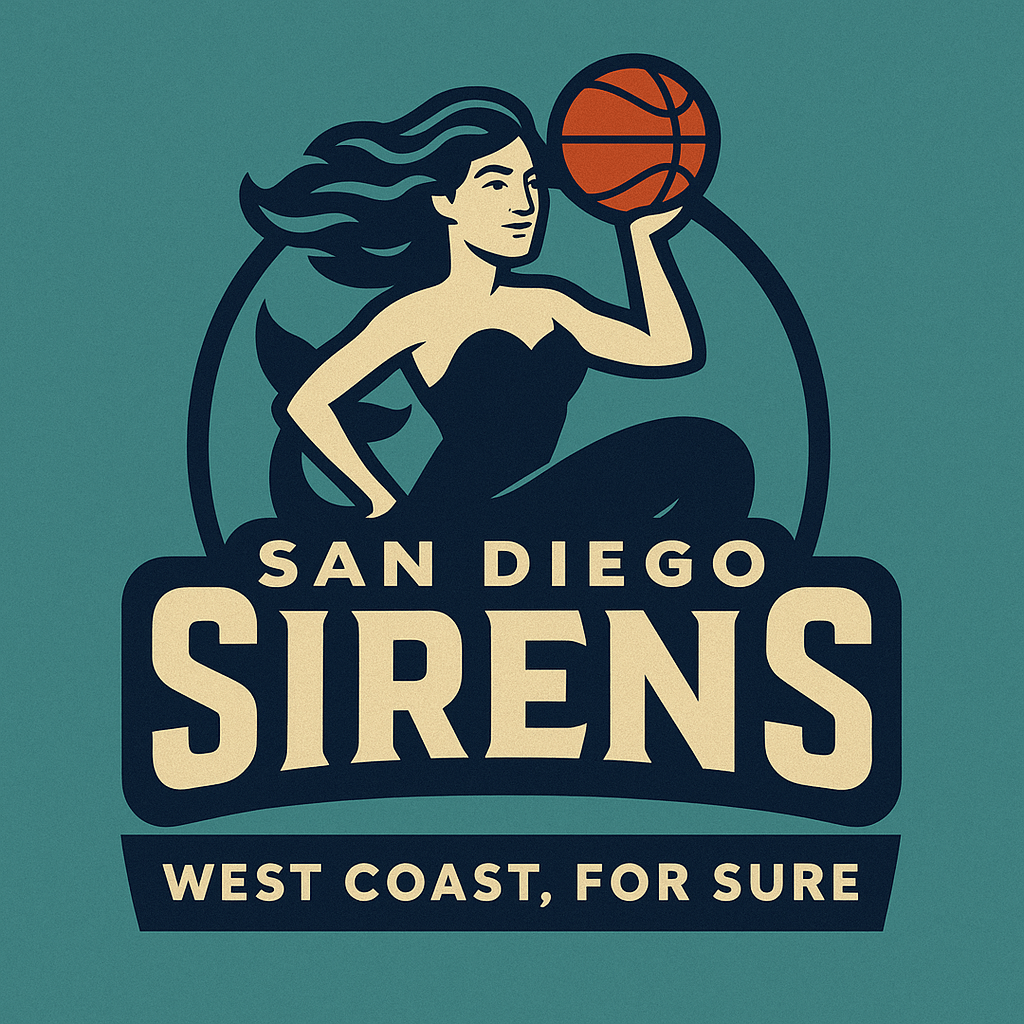
San Diego’s sporting history is often defined by departures, yet fan engagement has remained resilient. This creates an unusual opportunity for a women’s franchise to arrive without inherited disappointment.
The Sirens branding blends coastal identity with a modern edge, aligning well with a league that increasingly relies on digital storytelling and individual star power.
In media terms, San Diego offers Southern California exposure without the saturation that accompanies larger neighbouring markets.
Final Reflection
WNBA expansion is no longer about filling space. It is about shaping the league’s long-term geography, commercial reach, and player experience.
As figures such as Rhonda Smith and Stephanie White have consistently highlighted, intentional growth matters. Each new franchise affects not only revenue but also the league’s cultural and competitive balance.
Taken together, these nine locations illustrate not predictions but possibilities. They reflect the breadth of options now available to a league that has moved beyond survival and into strategic ambition.
The map may continue to expand, but how it expands will ultimately define what the WNBA becomes next.
 doragon sports