
Co-hosted tournaments are supposed to bring cultures together, spread the wealth, and maybe even ignite football in forgotten corners of the continent. The 2028 Africa Cup of Nations (on my football manager save where I managed Senegal), shared between Uganda, Kenya, and Tanzania, decided to interpret that idea quite literally: by treating players, coaches, and fans to the most gruelling commuting challenge since your uncle tried to drive from London to Marbella in a Nissan Micra.
But amid the travel chaos, one team thrived. Senegal — kings of inconvenience, warriors of the winding road, conquerors of Addis Ababa layovers. By the end of it, Aliou Cissé’s men had done more cross-border hops than a budget airline steward. Oh, and they also won the tournament.
Arua Community Stadium, Uganda
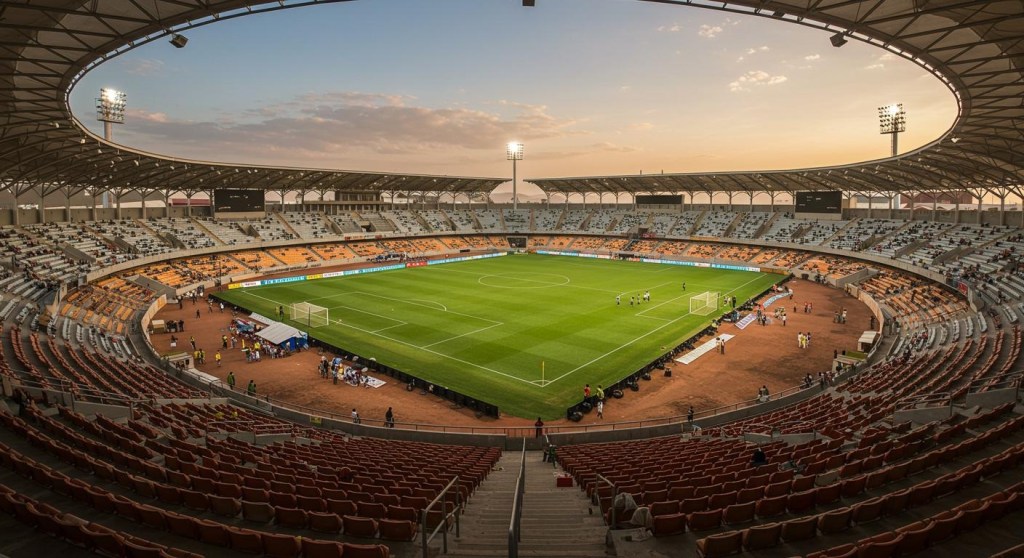
Near the DR Congo border. Closer to South Sudan than to any major Ugandan city. The kind of stadium Football Manager invents when you’ve been playing too long and the game just starts making stuff up.
Senegal opened their campaign with a professional 2-0 win over Uganda. Babacar Cissé and Fodé Ballo-Touré did the business. Locals went home wondering why their shiny new stadium debuted with a home defeat, while Senegal just loaded the team bus for their next continental safari.
Dar es Salaam Detour: Benjamin Mkapa Stadium, Tanzania
If you thought Uganda to Tanzania was straightforward, think again. This was less a commute, more a full-on expedition. Options included:
An 8-hour drive to Entebbe, then a flight to Dar es Salaam. A two-leg Ethiopian Airlines connection via Addis Ababa. Or a “short” 33-hour drive if you fancied losing the will to live in a Toyota Coaster.
Senegal eventually arrived, legs only mildly numb, and took down Ghana 3-2. Cheikh Niasse bagged a brace, Senegal booked qualification, and everyone pretended the trip wasn’t absolute hell.
Mombasa Community Arena, Kenya
Next stop: the coast. A brand-new stadium perched on the Indian Ocean, perfect for postcards and painful bus rides. From Dar es Salaam, it’s 534km up the road — a breezy 10 hours on the A14 if you don’t mind the potholes.
The Nigerians awaited in Group A’s top-spot decider. Senegal turned it on, winning 3-1. By now, their travel agent deserved man of the match.
Singida Community Stadium, Tanzania
Knockouts. Cue another “short hop” — a 726km slog back into Tanzania, broken up by picturesque safari detours where the squad could at least wave at giraffes.
But the result made it worth it: Burkina Faso were obliterated 5-0. If you drove 13 hours to play, you might as well leave your opponent in ruins.
Moi International Sports Centre, Nairobi
Senegal now had more East African passport stamps than most backpackers. For the quarterfinal, it was Nairobi’s turn. Nine and a half hours from Tanzania, though stopping off to see elephants in Arusha National Park made it almost Instagram-worthy.
On the pitch, Algeria were clinically dismantled 3-0 despite hogging 61% possession. The desert foxes looked exhausted, probably just from the same commute.
Mandela National Stadium, Kampala
Semi-final time, back in Uganda. Another 13 hours of wheels on the road, more border checks than a Cold War spy, and another meeting with Ghana.
This time, Senegal didn’t bother with the suspense. They scored inside the first minute and cruised to a 2-0 win. By now, they weren’t just winning football matches — they were winning Africa’s version of Top Gear: Special Edition.
The Grand Finale: Back to Nairobi
Because nothing screams efficiency like dragging everyone back to where they just were. The final took place at Moi International Sports Centre once again, but at least this time there was a direct Entebbe-to-Nairobi flight. Entebbe: Africa’s answer to Luton — an airport better known than its own town.
The opponent? Angola. The result? A demolition. Senegal ran riot 5-1.
And so, Senegal were crowned champions of Africa after what was less a tournament and more a continent-spanning odyssey. They won seven games, scored 20 goals, and probably racked up enough air miles to claim a free holiday in Mauritius.
The official CAF slogan was “AFCON 2028: Bringing Africa Together.” For Senegal, it translated to:
“AFCON 2028: Because you can never have too many bus rides.”
 doragon sports