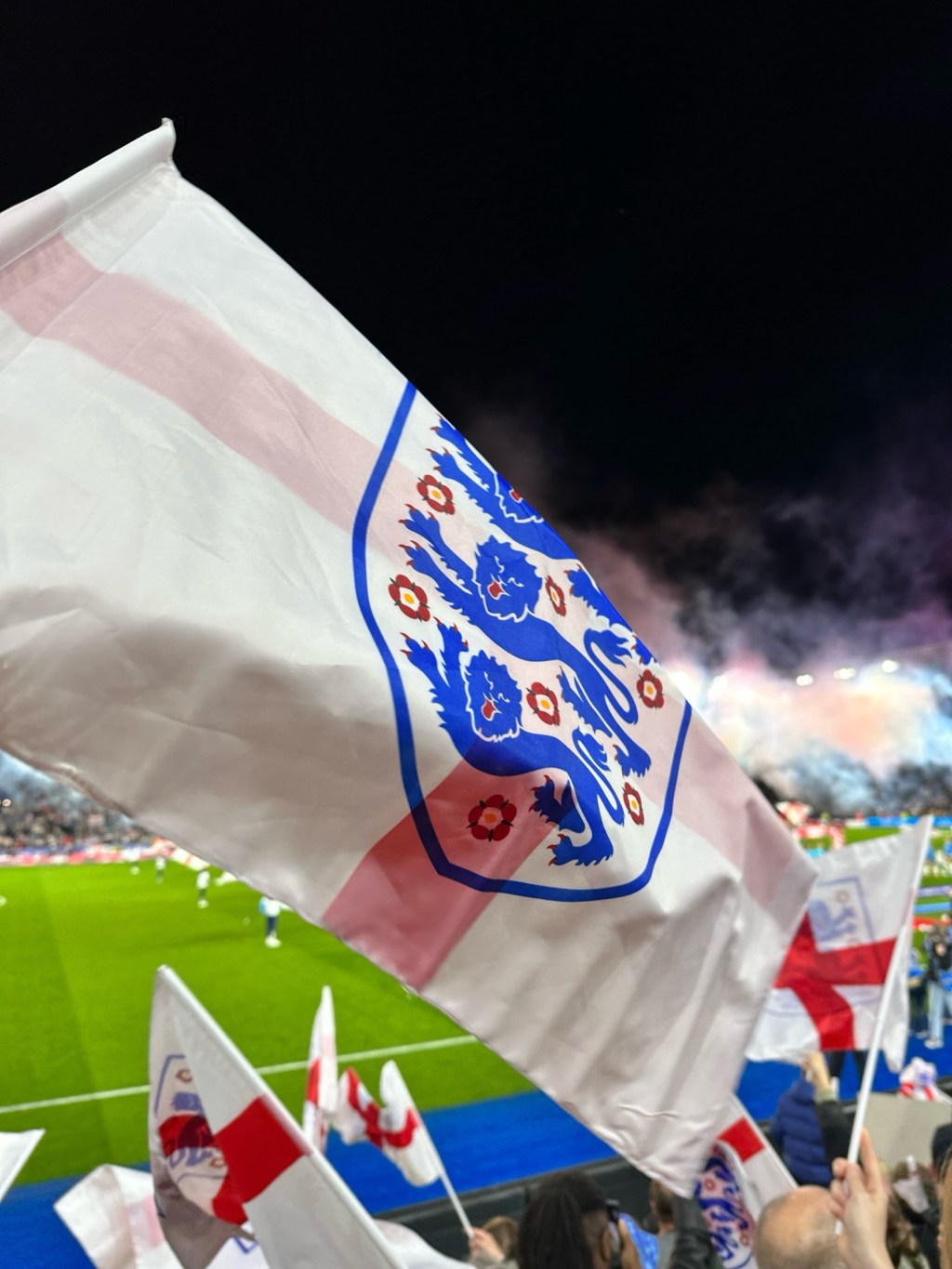
The Lionesses have done it again. Theee years after conquering Europe at Wembley,
England’s women battled through extra-time epics, a penalty shootout, and a ferociously competitive field to retain their European crown—this time on foreign soil.
From Sarina Wiegman’s historic managerial treble to Chloe Kelly’s ice-cold final penalty, UEFA Women’s Euro 2025 in Switzerland delivered unforgettable moments. Here are 21 key facts, stats, and quotes that define this golden summer for the Lionesses.
1. Historical title retention
England successfully defended their Euro title in 2025, becoming the first senior England team to win a major trophy on foreign soil. As England Football reports, “England became the first senior team from the nation to win a major title on foreign soil.” The Times echoed the moment, calling it a landmark achievement for the women’s game.
2. Sarina Wiegman’s unprecedented Euro achievement
Sarina Wiegman won her third consecutive European Championship final as a manager—twice with England, once with the Netherlands. As All For XI puts it, she’s delivered “incredible consistency.”
3. England’s dramatic comebacks
England came from behind in three straight knockout matches—against Sweden, Italy, and Spain. As All For XI noted: “Alessia Russo equalized … With no winner after extra time, it went to a tense penalty shootout.” Resilience became England’s identity.
4. Chloe Kelly’s decisive contributions
Chloe Kelly scored the winning penalty in the final and the extra-time winner vs. Italy. Manager Sarina Wiegman told Sky Sports: “Chloe Kelly thrives on producing the big moments.”
5. Hannah Hampton’s penalty heroics
Hampton saved two spot kicks in the final shootout, including one from Ballon d’Or winner Aitana Bonmatí. All For XI hailed her as the match-winner: “Hampton made two massive saves.”
6. Alessia Russo’s match‑turning equaliser
Russo scored a brilliant 57th-minute equalizer in the final, shifting the tide. England Football wrote she was “falling backwards” as she headed home Kelly’s cross.
7. Lucy Bronze’s courage under injury
Bronze played the entire tournament with a fractured tibia and suffered a fresh knee injury in the final. The Guardian confirmed she “played every minute through pain.”
8. Michelle Agyemang takes Young award
Teen sensation Michelle Agyemang was named Young Player of the Tournament after equalizers in the quarter and semi‑finals. Sky Sports reported: “Michelle Agyemang … scored the equaliser … before Chloe Kelly scored.” The Sun celebrated her rise.
9. Fan celebrations and royalty support
Princess Charlotte was seen fist‑pumping in the stands during the final. The Sun called it a “wholesome moment.” Kelly promised: “It’s going to be crazy” (Reuters).
10. Unconventional victory stat
England only led for 4 minutes and 52 seconds across all knockout matches, according to The Times. The Guardian verified the stat in their minute-by-minute report.
11. Impact of substitutes
Kelly scored or assisted off the bench in every knockout match. “She thrives under pressure,” said Lucy Bronze via UEFA.
12. Redemption versus World Cup outcome
England reversed their 2023 World Cup final loss to Spain. Reuters called it “deeper significance for the team.”
13. Three extra‑time matches in a row
England played 120 minutes three times in a row: vs Sweden, Italy, and Spain. Sky Sports noted the rare feat, calling it a “test of endurance.”
14. Manager Wiegman’s personality and praise
When Sarina Wiegman called this “the most chaotic and ridiculous tournament,” it was far more than a throwaway line. It was a knowing summary from a manager whose calm has become synonymous with control, even in the most uncontrollable circumstances. Wiegman has now won three straight European Championships, two with the Netherlands and back-to-back titles with England. That’s not just unprecedented—it borders on the impossible. No other coach, in either the men’s or women’s game, has managed such a feat. But the chaos she referred to wasn’t just about the matchdays. It was about how England constantly had to pivot, adapt, and survive. They needed five different rescue acts to make it to the final. And yet, through it all, her leadership remained a constant—a quiet, steely presence at the heart of the storm.
That leadership is not just tactical. It is cultural, emotional, psychological. Wiegman doesn’t simply bring people together; she forges something deeper. “The fight,” she said after the final. “We said it a couple of times, the players said ‘proper England’. Today we also had to defend very well. They were challenging us. But you see how we give everything to defend the goal. I do enjoy that, because that says something about the team and the togetherness and the will to really want to win.” And that togetherness isn’t accidental. It’s engineered. Wiegman fosters an environment where players believe—not just in the system, but in each other. Even when the football isn’t flowing, the spirit doesn’t break. This version of England, forged in adversity, wasn’t built to dominate, but to endure. And in tournament football, that’s the blueprint for winning.
Her influence goes beyond matchday results. Chloe Kelly, who delivered the decisive penalty, didn’t hold back in her tribute: “She’s bloody amazing… What she’s done for this country, we should all be so grateful for.” But it was the personal note that said the most: “She gave me hope when I probably didn’t have any.” That might be the most profound legacy of Wiegman’s management. She restores belief—player by player, story by story. Whether it was Hannah Hampton stepping up to stop two penalties in the final, Jess Carter producing the performance of her career, or Kelly finding redemption after a difficult year, Wiegman quietly guided them all. It is not just that she wins tournaments—it’s that under her, the players believe they will. That’s the difference. That’s the legacy.
15. Group‑stage rebound from adversity
After losing to France, England beat the Netherlands and Wales to qualify. Wiegman said: “Losing your first game and becoming European Champions is incredible” (England Football).
16. Tactical strategy against Spain
Spain dominated possession (67%) but couldn’t break England’s shape. All For XI praised Wiegman’s tactical reaction.
17. Leah Williamson’s leadership
Williamson told The Sun: “I don’t think we’re a team fearful of losing.” Her return as captain brought stability and belief.
18. Evolution of women’s football
All For XI reported record attendance. Glamour wrote: “An amazing time to be an itEngland fan.”
19. Chloe Kelly’s redemption arc from club exile to national hero
Chloe Kelly’s 2025 was heading in the wrong direction — benched and then loaned out by Manchester City, she looked like a player slipping down the pecking order. But a loan move to Arsenal reignited her form, and she entered the Euros with a point to prove.
By the end of the tournament, she was England’s go-to game-changer, delivering the winning goal in the quarter-final, a key assist in the semi, and finally, the ice-cold winning penalty in the shootout against Spain.
After the final, Kelly addressed her critics with emotion and clarity. “Thanks to everyone who wrote me off,” she told Reuters. Her journey from doubt to destiny is the stuff of footballing folklore — and a reminder that form is temporary, but big-game pedigree is eternal.
After being loaned out by Man City, Kelly regained confidence at Arsenal. “Thanks to everyone who wrote me off,” she said via Reuters.
20. Lucy Bronze equals and then breaks Jill Scott’s record
Already regarded as one of the Lionesses’ greatest players, Lucy Bronze added another personal accolade in Switzerland. With her appearance in the final, she reached 36 appearances at major tournaments, surpassing Jill Scott’s previous England record of 35.
That milestone becomes even more remarkable when considering the condition she played through. Bronze reportedly suffered a fractured tibia during the group stage but chose to continue playing through pain across the knockout rounds and final. As reported by The Guardian, she also sustained a fresh knee injury in the final yet refused to come off. Her commitment was absolute, her legacy now undeniable.
21. Squad depth and challenge management
Despite injuries, all 23 players completed training ahead of the final. The Guardian and Wikipedia noted the resilience of England’s fully committed squad
 doragon sports