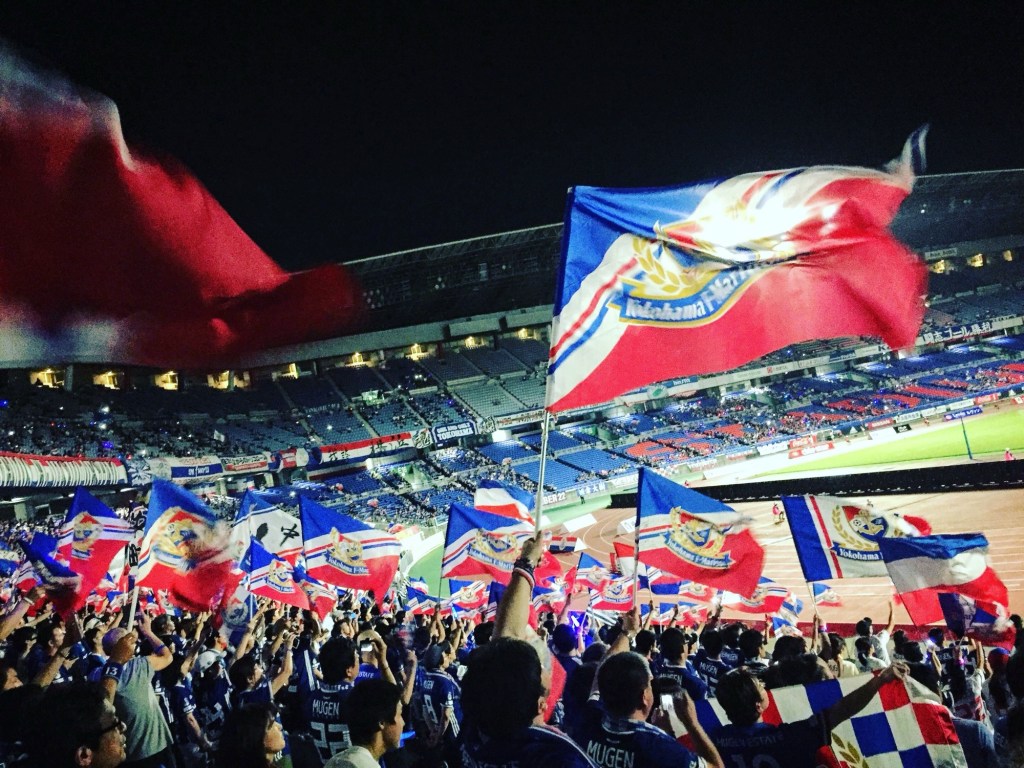
Yokohama F. Marinos, a recent J1 League champion and last season’s AFC Champions League (ACL) runner-up, delivered a woefully inappropriate performance against South Korea’s Gwangju FC, succumbing to a 7-3 thrashing in what can only be described as a disgraceful display of unprofessionalism. For a team of Yokohama’s stature to collapse so dramatically against Gwangju—a club making its debut in the ACL Elite™—is not just alarming but also indicative of deeper systemic failures.
The game started on a nightmarish note for Yokohama when, just 90 seconds into the match, Albanian international Jasir Asani unleashed a tame shot that somehow squirmed under the grasp of debutant goalkeeper Riku Terakado. The early goal, the first sign of trouble, set the tone for what would become an embarrassing rout. Gwangju, taking full advantage of Yokohama’s glaring lack of organization, extended their lead at the 15-minute mark with Oh Hu-seong heading in unmarked at the far post.
Elber’s reply for Yokohama at 34 minutes, a slamming effort amidst pouring rain, seemed to offer a fleeting hope of recovery. But that hope was swiftly extinguished by an unprofessional display in the second half. Asani completed his hat-trick, baffling Yokohama’s defense with strikes that should have been easily thwarted. It was a defensive debacle, compounded by Terakado’s clear inability to command his area.
Brazilian forward Elber, who netted twice for the beleaguered Yokohama, admitted to the futility of his efforts post-match, stating: “Frankly, my two goals were meaningless. In a game like this, victory is all that matters. We gave away the early lead and couldn’t recover. The second half was a disaster.”
The narrative spiraled further out of control when Yokohama, already teetering, was reduced to 10 men following a reckless challenge by Carlos Eduardo on his compatriot Gabriel. Gwangju, capitalizing on the numerical advantage, added insult to injury with a further three goals in the final half-hour. The quick succession of goals—from Beka Mikeltadze, Lee Hui-gyun, and Gabriel Tigrao—left Yokohama’s defense in tatters, exposed for their tactical inadequacies and lack of discipline.
Yokohama’s coach, John Hutchinson, promoted to the helm after the abrupt sacking of Harry Kewell, must now face tough questions. Under Kewell, Yokohama had at least shown promise, reaching the Champions League final, only to fall to Al Ain. However, the manner of their collapse under Hutchinson’s stewardship raises concerns about his tactical acumen and the squad’s mental fortitude.
To lose in such an egregious manner against a team from a league held in much less regard than the Japanese top flight should raise alarm bells. Gwangju’s ascendancy and Yokohama’s capitulation lead to a paradox: if South Korean teams can muster such commanding performances against supposedly superior Japanese opposition, is the K League still inferior?
Asani, the man of the match, capped off the game with a stoppage-time goal, his third of the night, which left no doubt about who was in control. The Marinos, on the other hand, looked every bit the bedraggled squad they were—disjointed, demoralized, and utterly devoid of professional discipline.
In a game that should have been a straightforward victory or at least a closely contested affair, Yokohama’s defeat not only questions the leadership of Hutchinson but the professionalism of the players. The Marinos now face an uphill battle to regain their standing in the ACL, but unless they rediscover the professionalism and tactical intelligence that took them to the final last season, this campaign may quickly descend into an unmitigated disaster.
 doragon sports